Burger Station
A burger food trailer isn't tied to just one menu. It is the ultimate multi-concept platform.
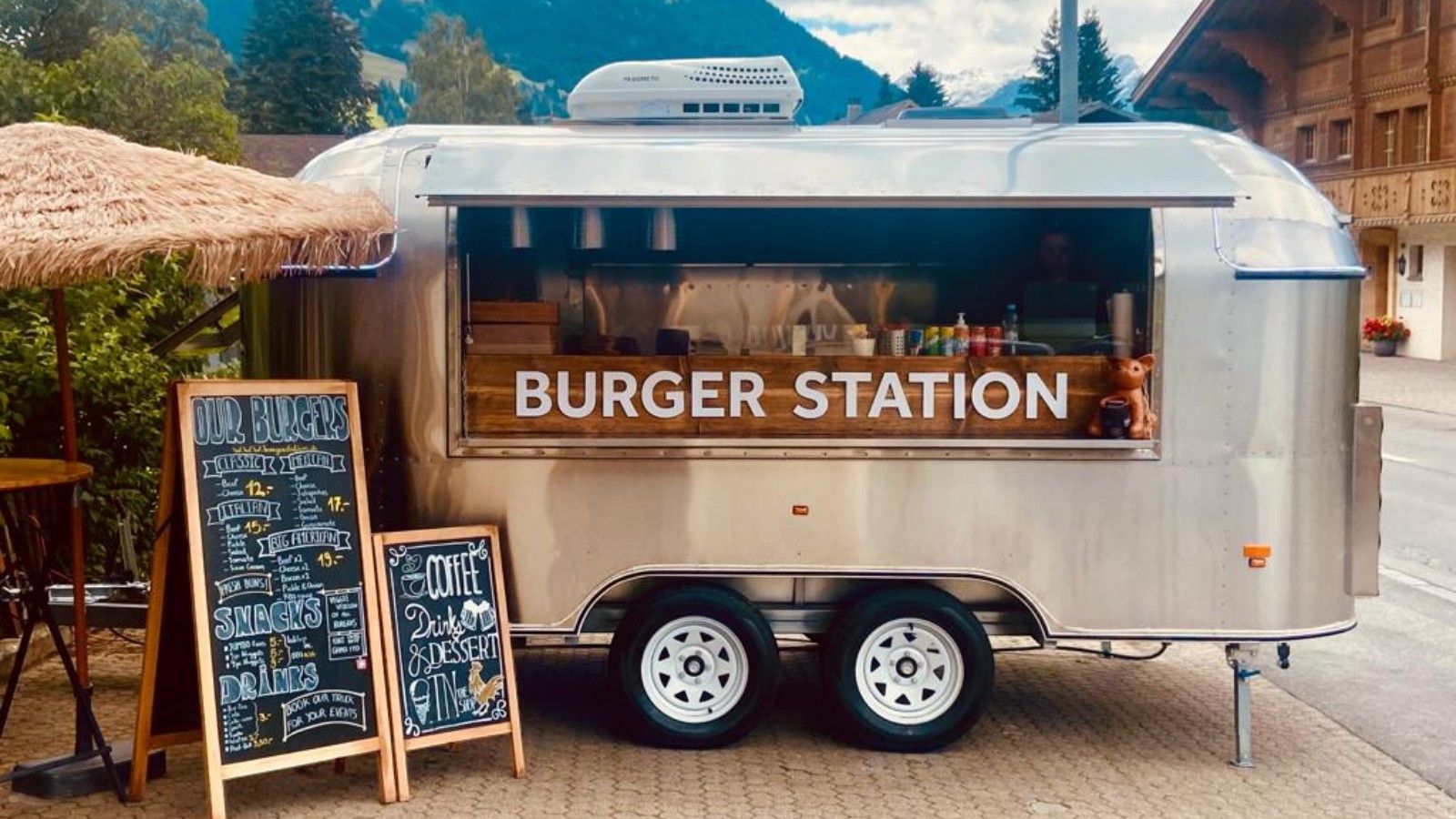
A Burger Food Trailer is Actually Your Most Versatile Asset
A burger food trailer isn't tied to just one menu. It is the ultimate multi-concept platform.
To run efficiently, every rock-solid burger food trailer relies on four essential functional zones:
Cooking Zone: The heart of your service line for searing patties and dropping fries.
Cold Storage Zone: Keeps meats, cheeses, fresh produce, and sauces food-safe and at regulatory temps.
Service Zone: The customer-facing window where orders are taken, payment is processed, and food is handed out.
Sanitation Zone: Hand sink, 3-compartment washing sinks, and freshwater/wastewater tanks to pass health inspections.
These four zones are non-negotiable. The real kicker? Swap out the cooking line for a different menu, and this rig pivots into virtually any mobile concept instantly. Burgers today, fried chicken tomorrow, gourmet tacos next week. One investment, endless business models.
Compared to beer trucks, pizza trailers, or ice cream setups, a burger rig is far simpler to engineer.
Beer trailers require complex glycol cooling circuits, multi-tap lines, and tight CO₂ tank management.
Pizza trailers demand high-temp brick ovens, custom flues, specialized heat shielding, and heavy structural reinforcements.
Ice cream trailers rely on heavy freezer compressors and massive, continuous electrical draws.
A burger build keeps things lean. As long as you have a solid cooking lineup and a high-CFM extraction hood overhead, you are good to go. Shorter equipment list, lower startup cost, and minimal maintenance headaches.
We worked with an operator who started with just one single trailer. One person, one rig, hitting local weekend markets. As demand grew, he launched his first brick-and-mortar location and came back to Chris Machinery for a second trailer to power his expansion. Within three years, he scaled into a well-known regional brand, purchasing four custom trailers from us in total.
His story is not an exception. Burgers remain one of the safest, highest-ROI categories in mobile catering. Minimal prep friction. Lightning-fast ticket times. Universal customer appeal across every demographic. It is the ultimate low-effort, high-volume menu. You do not have to educate your customers or explain what you are selling. The word burger speaks for itself everywhere.
Key Equipment Specs for High-Volume Service
Flat-top Griddle: Your core engine. We recommend at least a 600mm width, which sears 6 to 8 patties simultaneously, just enough for steady rushes. If your space and budget allow, stepping up to a 900mm flat-top gives you room to breathe.
Commercial Deep Fryer (Optional): Essential if you are pairing burgers with fries, onion rings, or tender bites. Fryers drive up average order value, but keep in mind they add to grease disposal and air exhaust demands.
Double-Door Under-Counter Refrigerator: Aim for at least 400L of cold storage capacity to stock meat patties, cheeses, and squeeze bottles so you do not run dry during a lunch rush.
Prep Rail / Saladette: Positioned right next to the griddle for fast, seamless burger assembly. Lettuce, tomatoes, onions, and pickles ready at your fingertips.
Commercial Exhaust Hood: Non-negotiable. Burgers produce heavy grease. Without high-volume extraction overhead, your interior will quickly be smothered in grease smoke, ruining working conditions and health inspector goodwill.
Warming Cabinet: Keeps pre-toasted buns warm and pillowy. Cold buns cut burger quality in half.
POS & Cash Drawer System: Essential for speeding up ordering and preventing ticket errors during peak rushes.
Certian tips for the inside layout
Full Exhaust Coverage: The vent hood must fully cover both the griddle and fryer with zero blind spots, preventing aerosolized grease from coating the rest of your stainless interior.
The Show Kitchen Effect: Position the prep rail near the main concession window. Letting customers watch fresh lettuce layered, cheese melting, and patties sizzling on the flat-top is your best organic marketing tool.
Space-Saving Refrigeration: Under-counter fridges keep ingredients cold right at the cooking line without wasting standing floor space or blocking aisle movement.
Dedicated Packaging Zone: Pre-plan structured storage for takeaway boxes, greaseproof paper, and bags. Inexperienced builders forget this, leaving operators stacking boxes on the floor or stuffing them in corners on opening day.
The Golden Rule of Mobile Layouts: A well-engineered layout plans every human movement before production starts. Grabbing patties, searing on the grill, topping, wrapping, and handing off should never require a crew member to turn more than once.
Recommended models:
Recommended equipment
Undercounter fridge 1500 · Gas griddle · Gas fryer · Gas oven 1 layer
Package equipment from USD 2,050