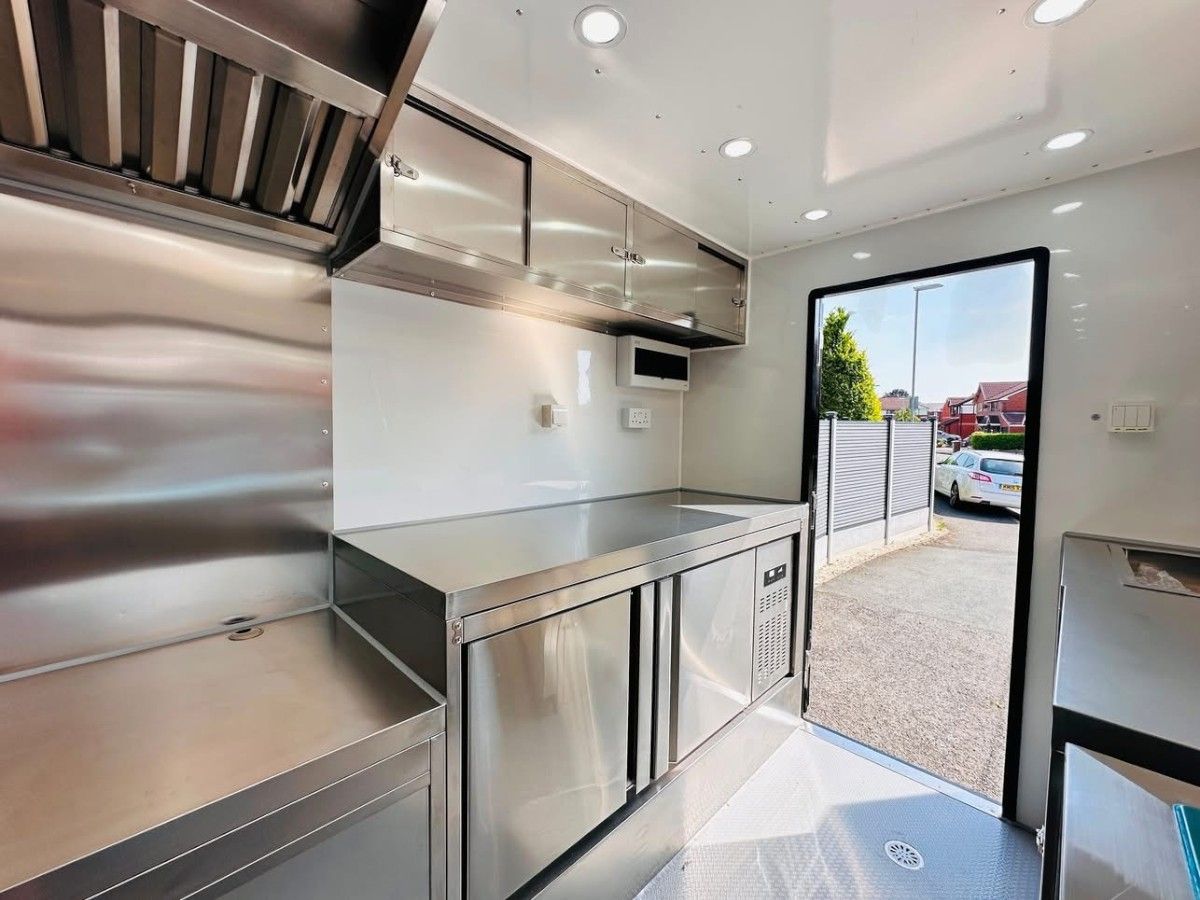
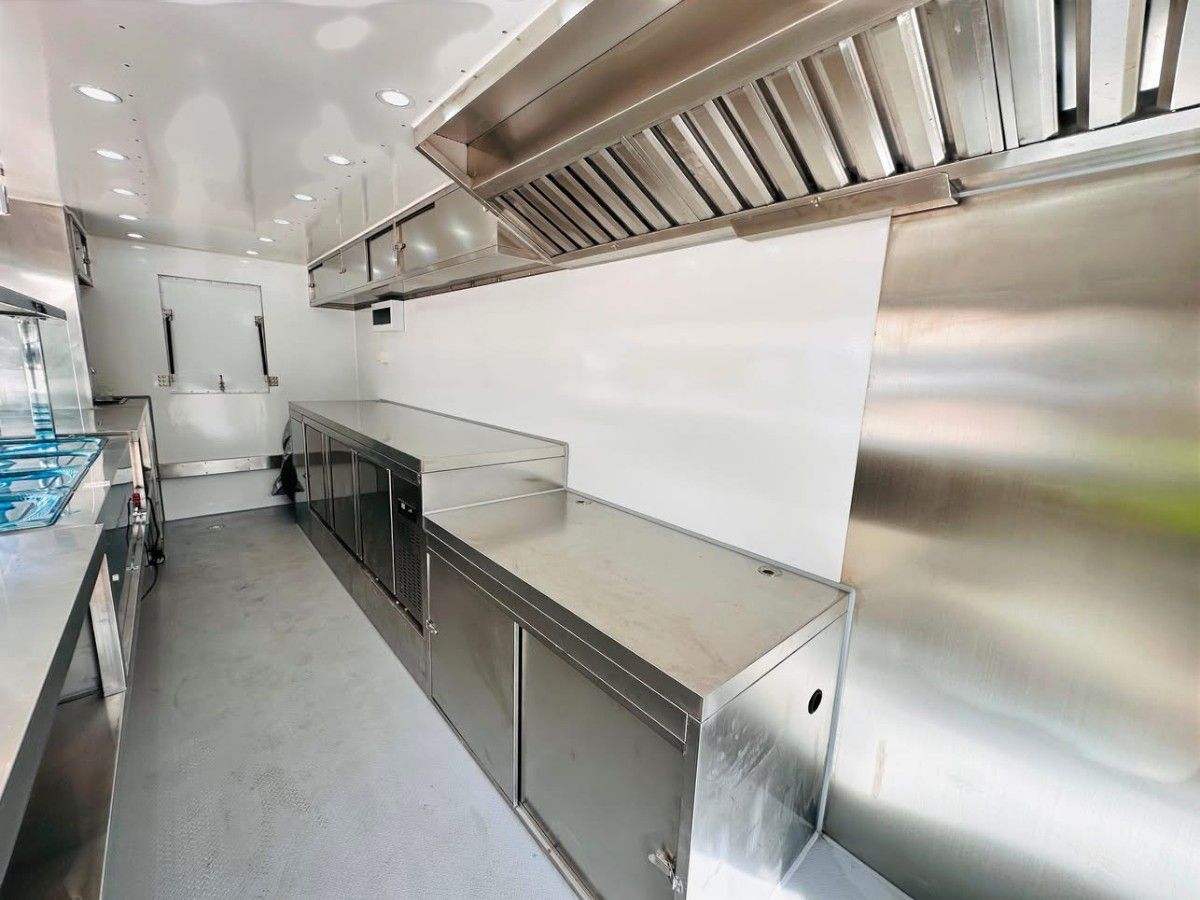
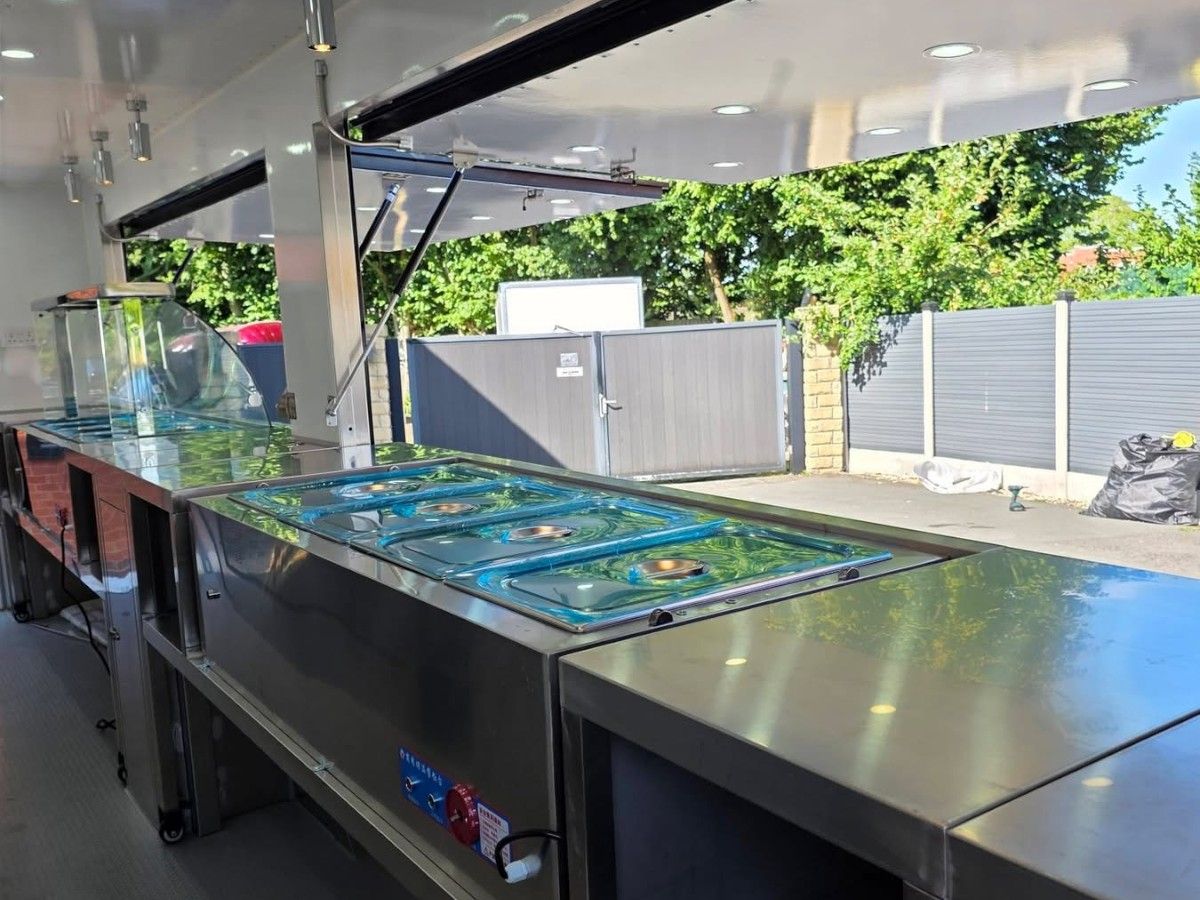
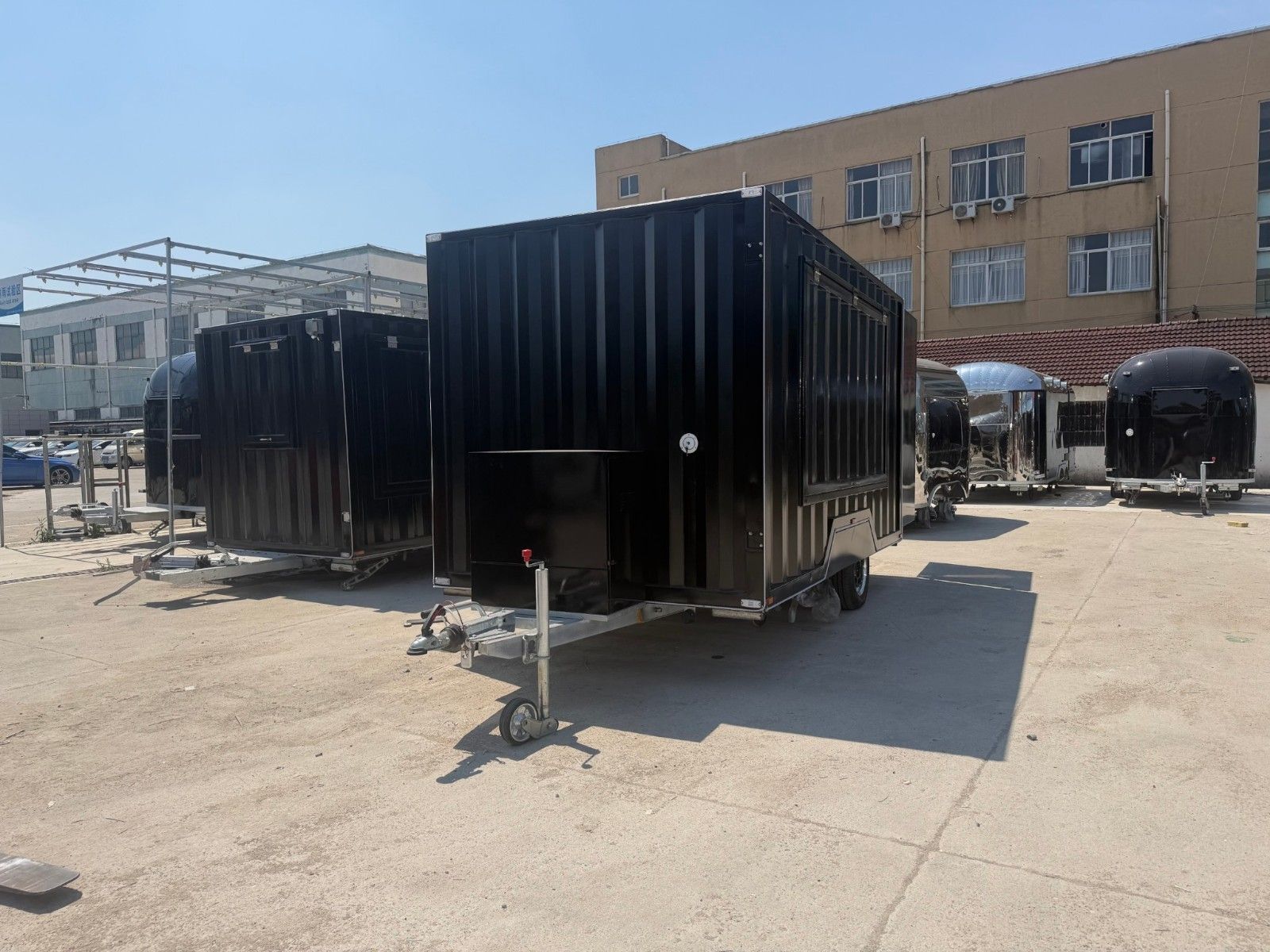
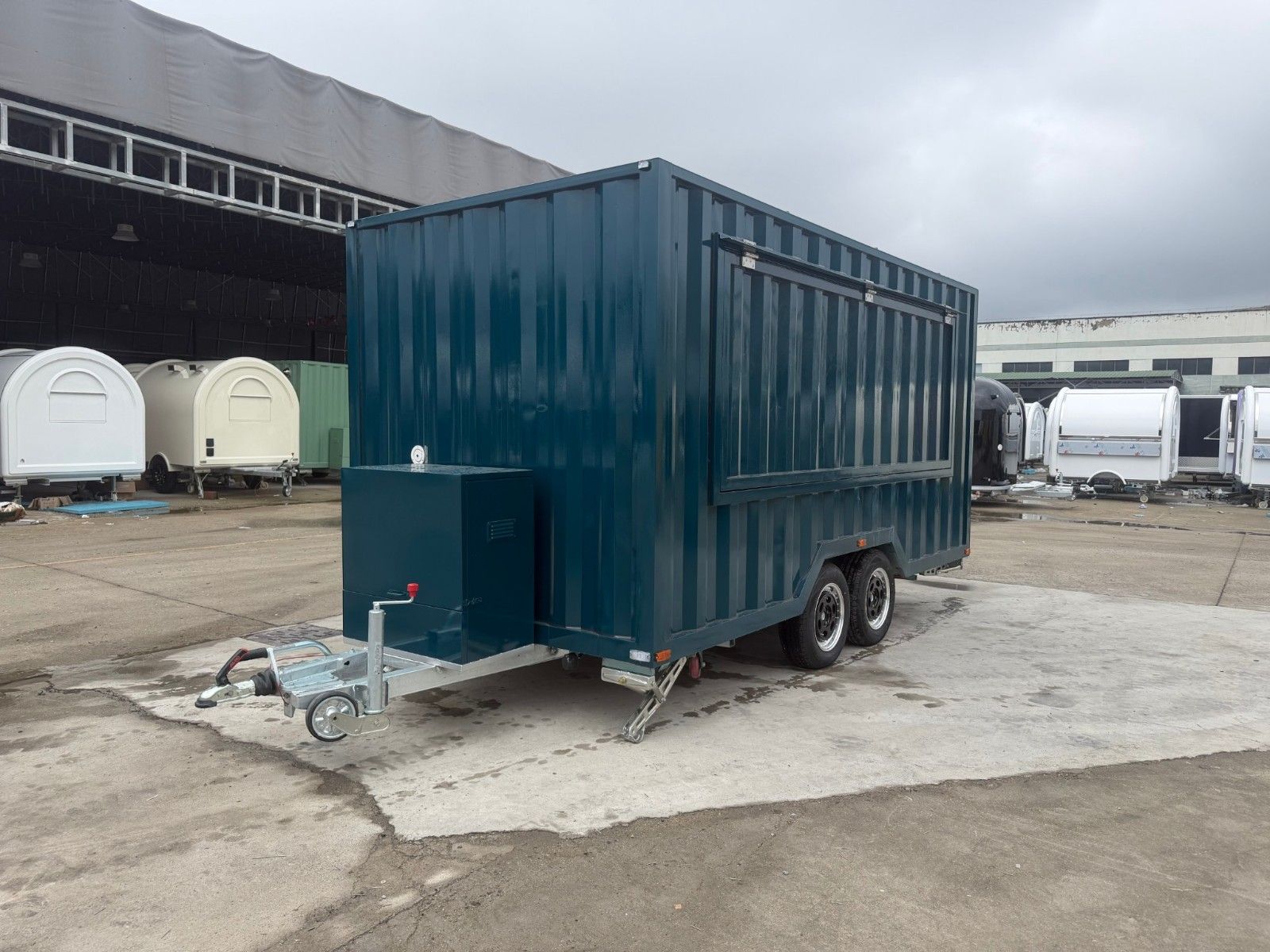
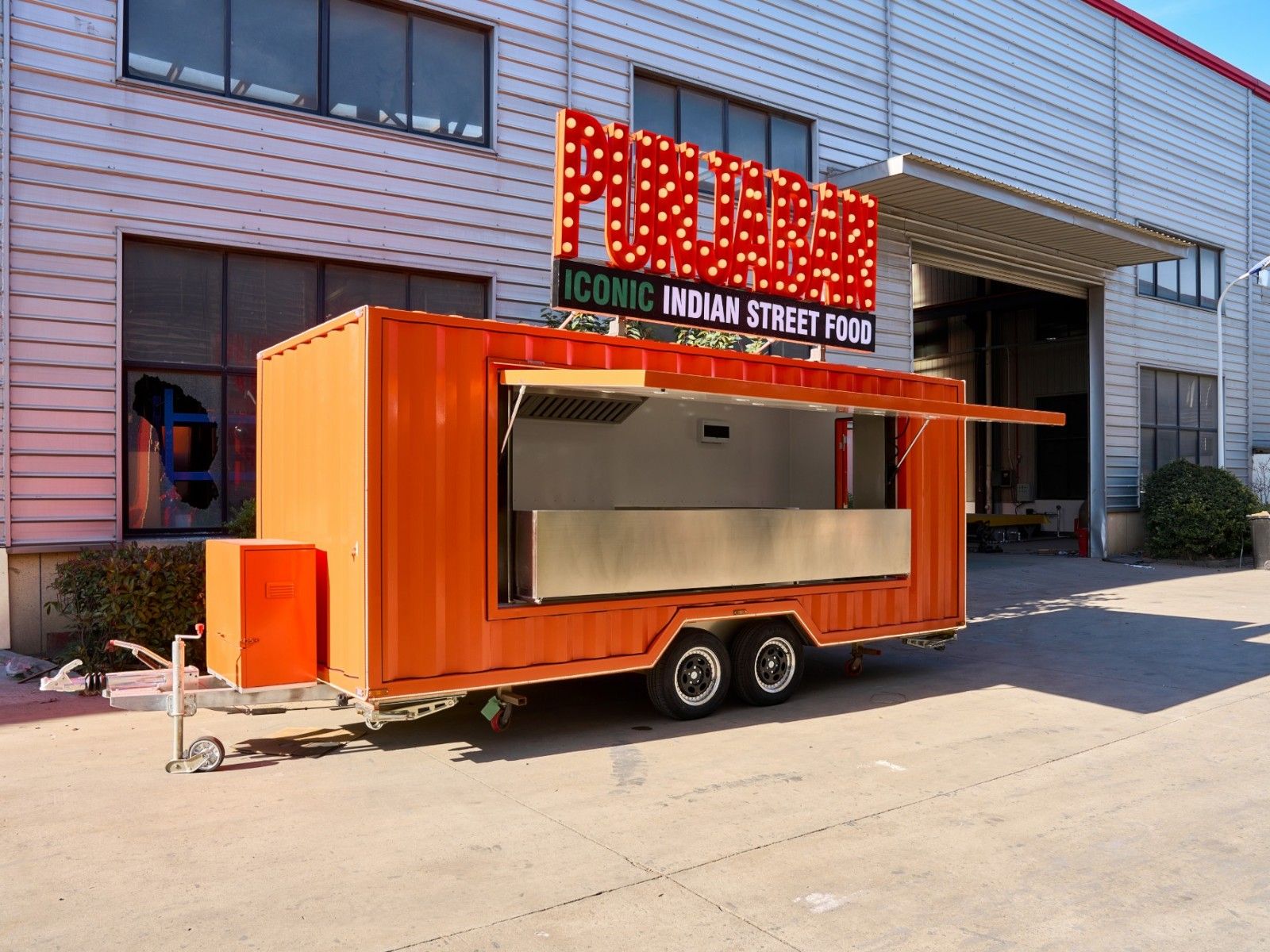
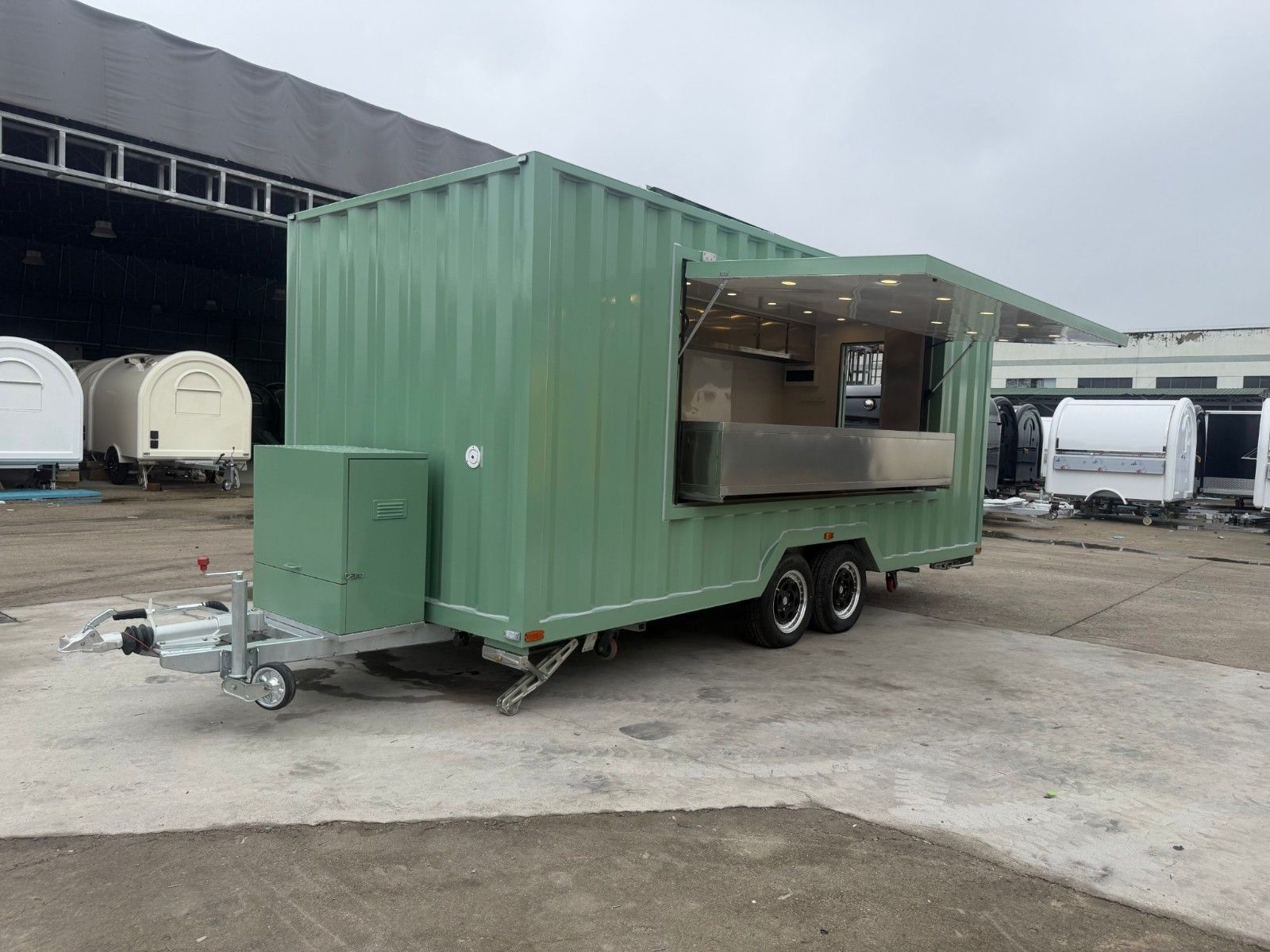
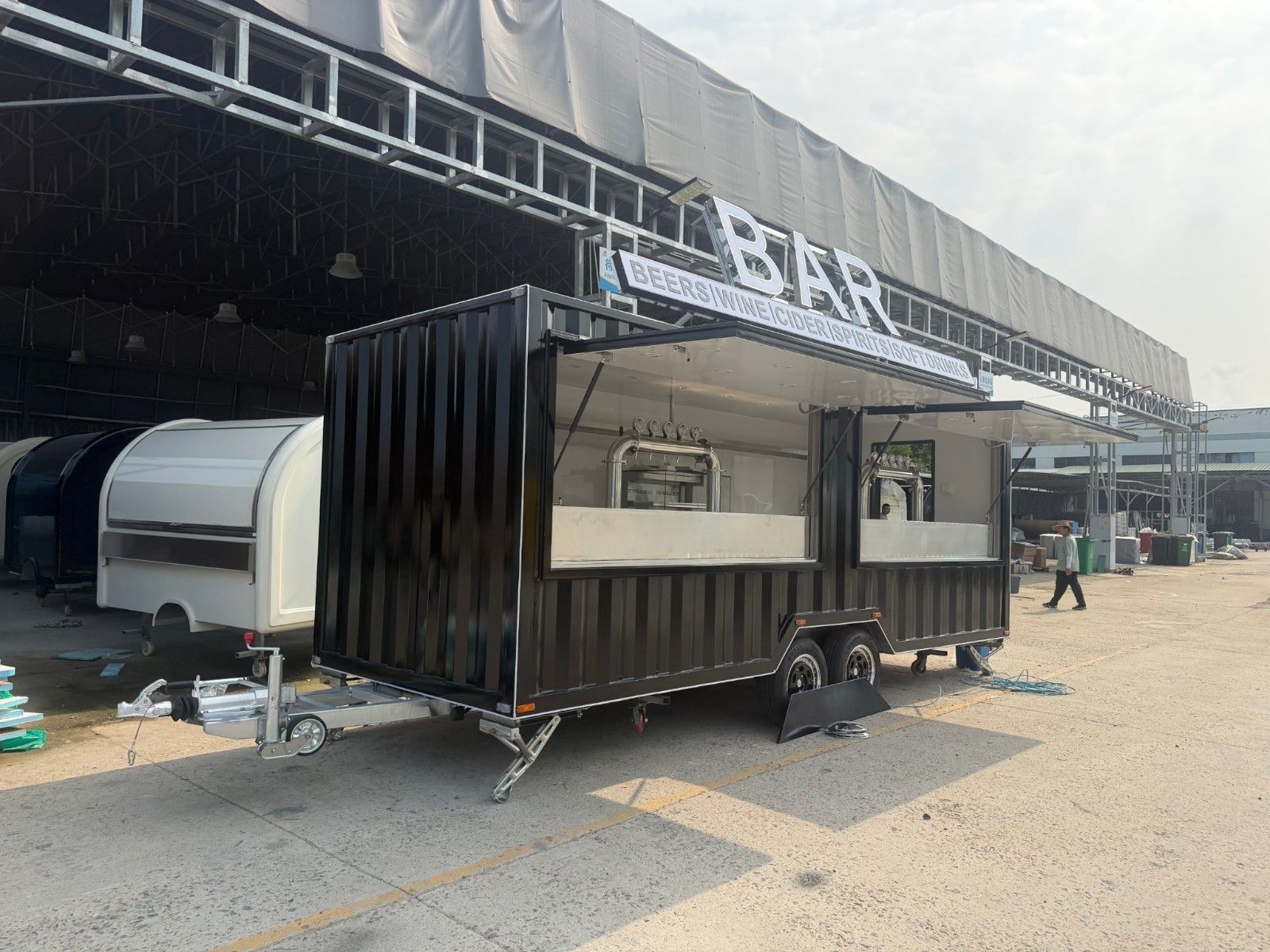
A good trailer is a well-laid-out trailer. Smart workflow and counter heights that match how you actually work make all the difference. Here's how I'd design mine:
1. Start with the door and windows.
Figure out where the front and rear are, and where the door and service windows go. This sets everything else in motion — don't skip it.
2. Measure the interior and check for conflicts.
Say the interior width is 2,100 mm. First, figure out how much aisle width you need based on your own build and whether you'll be working alone or with someone else. Whatever's left is your usable space. If I think I need 800 mm of aisle, I grab a tape measure and actually stand in that space to feel it. If it works, I move on. One thing to keep in mind: this is a mobile kitchen, not a house. Function comes first. Sometimes you have to trade a bit of comfort for practicality.
3. Lock in the aisle width, then split the rest.
If 800 mm still feels right, I've got 1,200 mm left — two countertops at 600 mm each. Looks good on paper. Now immediately check your equipment depth. If everything fits under 600 mm, you're set. But say a fryer is 700 mm deep. Then I ask three questions: Will the overhang get in the way during use? Can I find a shallower replacement? If neither works, can I give up some aisle space or shrink the other counter? Going through these questions usually gets me to a solid layout pretty fast.
4. Height matters just as much.
By now I've roughly figured out the length by placing the equipment. Next is height. Let's say 950 mm feels comfortable for a standing work surface. But once you add the equipment itself, consider your own height, the counter height, and the equipment height. If you're constantly reaching up to work, it wears you down shift after shift — trust me, this one matters more than you'd think. Actually stand in position and simulate the motion before locking in your counter height.
5. Take your draft to the factory for a final check.
Some things look different once they're being built. A good manufacturer will catch issues early and often suggest smarter alternatives based on what they've seen work before.